
PCB Flex Help With EMI Shielding
The use of flex circuits in products offers substantial advantages to both the manufacturer and consumer. Weight reductions are the most common benefit, as customers have seen up to 75% weight savings compared to rigid PCBs. In addition to this, the circuit board can be molded into a more compact and portable package that improves usability. This makes flex circuits perfect for mobile devices like smartphones, tablets and laptops. Another major advantage is the increased electrical conductivity, which allows for faster data transmissions. The increase in conductivity also leads to lower operating temperatures, extending the life of electronic components.
However, the increased electrical conductivity of a flex circuit can present some challenges in terms of EMI (Electromagnetic Interference) and EMC (Electromagnetic Compatibility). To ensure that high-speed signals are isolated from low-speed signals, a proper EMI/EMC shielding is essential. The goal of EMI/EMC shielding is to capture and disperse any stray electromagnetic radiation that can interfere with the function of a flex circuit board. This helps prevent any problems such as a decrease in impedance, loss of signal strength and interference with other electronic components.
Adding a copper shield layer to a pcb flex is one way to reduce EMI/EMC issues. This involves etching a separate copper plane and attaching it to the ground or signal layer of a flex circuit. However, this arrangement adds to the overall thickness of the flex circuit and limits its flexibility. Additionally, this arrangement doesn’t offer the requisite impedance control for some designs.
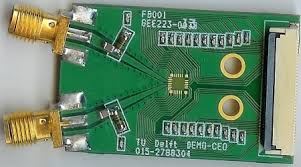
How Does PCB Flex Help With EMI Shielding?
Another option for EMI/EMC shielding in a flex circuit is to use silver ink shield layers. These consist of an additional layer of liquid silver that is applied to a cover-lay surface. This layer is stitched with openings on the outside edges of a flex circuit. The silver ink flows into these openings, adhering to the copper ground and signal layers for EMI/EMC dissipation. A layer of cover-lay is then laminated to encapsulate and preserve the silver ink shields.
A final EMI/EMC shielding option for a flex circuit is the use of stiffeners. These are stiffened areas of a flex circuit that are bonded to rigid material such as FR4 or metal. These are typically used for the edge connector or mounting holes. Stiffeners help to improve the mechanical performance of a flex circuit and provide resistance to sharp bends that could crack traces.
When designing a flex circuit, the minimum bend capability must be carefully established. Adding any type of EMI/EMC shielding will result in an increase in the total thickness of the flex circuit, which may exceed the minimum bend capability. This is because the flex circuit will need to be thicker in order to accommodate the additional layers of shielding. In addition, any additional layers of shielding will also violate the flex circuit’s normal layer count limit. To minimize the impact of this issue, designers must use the least amount of shielding necessary for their design requirements.


