
cost-effectiveness of using flexible PCBs
The use of flexible PCBs has boosted the efficiency and reliability of electronic devices. These are particularly useful for medical devices like endoscopes, as they can bend and adapt to the body’s cavities. The flexibility of flex circuits also helps them to absorb shocks and vibrations, which can otherwise cause damage. Additionally, the elimination of solder joints and board-to-board connectors makes these circuits more durable.
The manufacturing process for flexible pcb is simpler than that of rigid boards, which helps reduce the cost of production. This is because fewer materials are wasted during assembly. In addition, the absence of multiple interconnecting rigid boards lowers the overall number of solder joints and eliminates potential defects in the finished product.
Nevertheless, there are still many factors that can affect the final price of a flex PCB. These include board materials, layer count, efficient panel utilization, and the type of stiffeners used. Additionally, the IPC class required for a project will have an effect on the final price. For example, the higher standards of IPC -3 may require additional coupon validation and serialization, which will increase project costs.
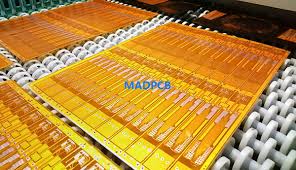
What is the cost-effectiveness of using flexible PCBs?
In general, a flexible pcb is more expensive than a rigid one, but it can be a more cost-effective solution if the design emphasizes weight and space efficiency. Moreover, the use of a flex circuit can reduce component and assembly cost by eliminating the need for through-hole technology. However, the use of high-density interconnects can significantly raise the cost of a flex PCB. Hence, designers should carefully evaluate the need for features like blind and buried vias before making a final decision on which type of flex to choose.
Whether the PCB is double-sided or multi-layered also impacts the cost. Multi-layered flex circuits have more conductor layers than single-sided flex PCBs. This allows them to support more complex designs and higher component density. Additionally, a multi-layer PCB requires more material to manufacture, which leads to a higher cost.
Another factor that can influence the price of a flex PCB is the size and shape of the stiffeners. Stiffeners are typically bonded to the PCBs with thermal set or pressure-sensitive adhesives. The type of adhesive used to bond the stiffeners is a major driver of price as different types of adhesives have different cost structures.
The layer count of a flex PCB is also an important cost driver. It is recommended that a designer select the lowest possible layer count, ideally only one layer. This will save both time and money in the long run. It is also advisable that the designer avoids using advanced features such as blind and buried vias, laser-drilled microvias, and sequential layer lamination since these can significantly increase the overall cost of a flex circuit.
A flex circuit board’s price can be affected by the thickness of the copper foil, the number of conductive layers, and the thickness and type of the coverlay. Furthermore, the amount of time that is required to test the flex circuit board will also impact its price.


